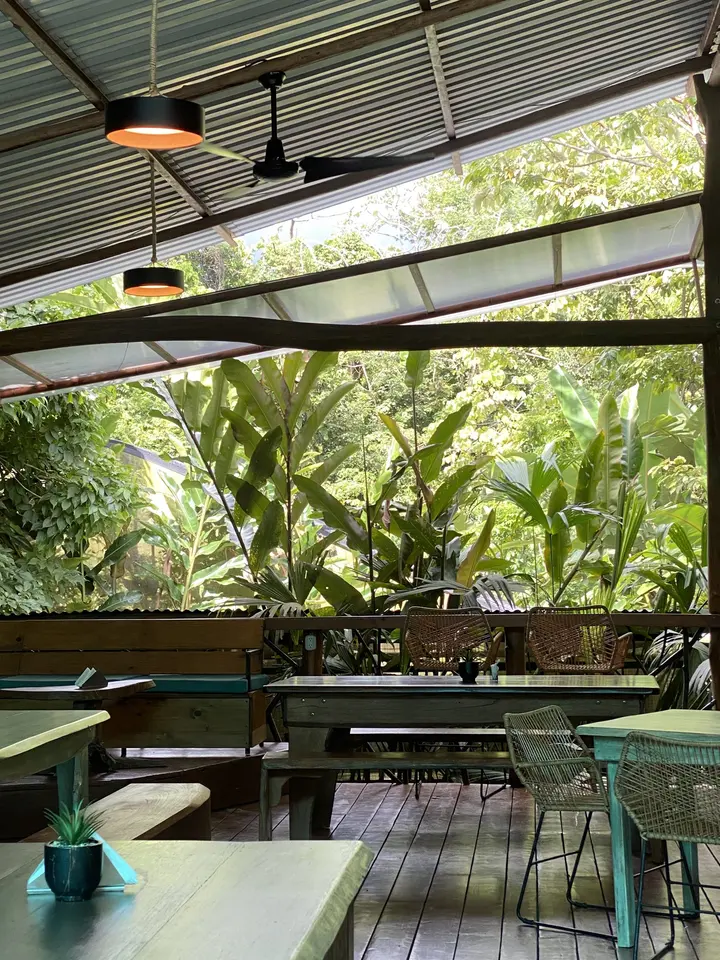

Why your own website beats relying only on delivery apps
Delivery apps bring you orders. Your own website brings you customers. Here is the difference, and how to use both without handing over your whole business.
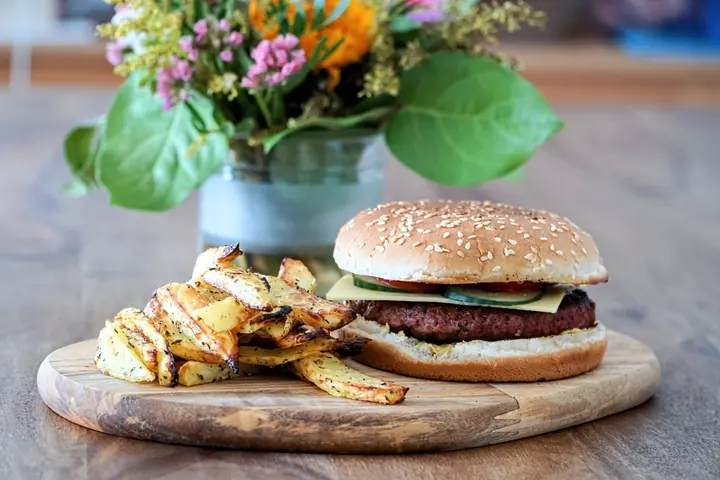
Delivery apps are useful. They put your food in front of people who have never heard of you, and they handle drivers you would never want to hire yourself. Plenty of good restaurants use them every night.
The trouble starts when the apps become the only way people find and order from you. Then someone else owns the front door to your business.
What the apps charge
The big apps make money by taking a share of each order. Their marketplace plans for restaurants are published on their own sites, and they are usually a percentage of the order total, often somewhere between 15 and 30 percent depending on the plan you pick, with extra fees for some services. Plans and prices change, so check the current terms in your own contract before you do the math.
Whatever your rate is, it applies to every order that comes through the app, including orders from your regulars who would have found you anyway.
What you don't get from an app
- The guest. When someone orders through an app, they are the app's customer first. You usually see their order, not a relationship you can come back to.
- Your own page. On an app, your menu sits in a list right next to the place down the street, often with a promotion for someone else above you.
- Your story. There is little room for why you cook what you cook, your hours on a holiday, your catering menu or the dish everyone should try.
- Control. The app decides how your photos are cropped, how your menu is sorted, and what happens when it changes its design.
What your own website does instead
Your website is the one place on the internet that is completely yours. It is where Google sends people who search for your name, where your Instagram bio should point, and where the people who already love you go to check your hours.
On your own site you can:
- Put your best dishes first, with your own photos, in your own words.
- Show today's hours, holiday hours and the day you are closed, so nobody drives to a dark window.
- Send people to the ordering tool you chose, such as your point-of-sale's online ordering for pickup, where you keep more of each order.
- Take catering and private-event requests straight to your inbox.
- Tell the story of your place, in English and Spanish if your guests speak both.
Use both, on purpose
This is not about quitting the apps. It is about putting them in their place: one channel among several, not the only road in.
- Lead with your own link. On your Google listing, your Instagram and Facebook pages, your menus and your receipts, point people to your website first.
- Make pickup easy. If your point-of-sale offers online ordering, link it from your site. A regular who orders pickup from your site instead of through an app is a regular you keep.
- Keep the apps for discovery. Let them introduce you to new people, and give those people a reason to come back to you directly next time, like a card in the bag with your website on it.
- Know your numbers. Once a month, compare how many orders came from the apps and how many came directly. If the direct number is growing, your website is doing its job.
The short version
Delivery apps rent you a spot in their marketplace. Your website is a place you own. You need the second one even if you keep the first.
With Crush Website you build your restaurant's site yourself, for one flat monthly price, and we never take a cut of your orders. Your Order button opens whichever ordering tool you already use.